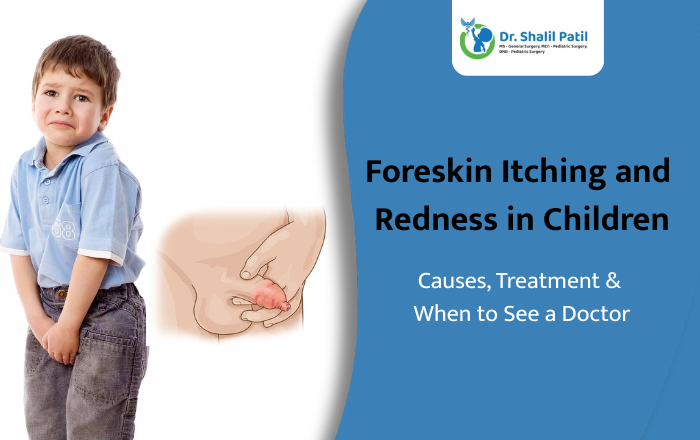
Is your little boy scratching “down there” more than usual? Have you noticed some redness or swelling around the tip of his penis and wondered whether it’s something serious? First, take a breath — you’re doing the right thing by looking into it. Foreskin itching and redness in children is far more common than most parents realize, and in most cases, it’s very treatable. This guide will walk you through everything you need to know — from causes and home care to when it’s time to see a doctor.
What Causes Foreskin Itching and Redness in Children?
There’s rarely just one answer, but here are the most common reasons foreskin redness in boys occurs:
1. Balanitis — The Most Common Cause
Balanitis is inflammation of the head of the penis and the foreskin. It affects up to 3–11% of uncircumcised males at some point and is one of the top reasons parents visit a pediatric urologist. Signs include redness, swelling, itching, and sometimes a mild discharge. It can be triggered by bacteria, fungi, or simply poor hygiene.
2. Soap and Product Irritation
Bubble baths, scented soaps, and baby wipes with fragrance are surprisingly harsh on a child’s sensitive skin. If your son has recently started using a new product and the foreskin itching appeared shortly after, irritation may be the culprit. Warm water alone is often enough for cleaning young boys.
3. Fungal Infections (Thrush)
Candida, or thrush, is a yeast infection that can develop under the foreskin — especially after a course of antibiotics. Look for intense itching, redness, and a white, cottage cheese-like discharge around the foreskin area.
4. Phimosis — A Tight Foreskin
In younger boys, a non-retractable foreskin is completely normal. However, when the foreskin remains unusually tight beyond age 7–10, it can trap moisture and lead to repeated infections, causing ongoing foreskin redness and itching in children. This condition is called phimosis.
5. Skin Conditions
Eczema and contact dermatitis can affect any part of the body — including the genital area. Detergents, synthetic fabrics, or even certain foods can trigger flare-ups in sensitive children.
Simple Home Care Tips That Actually Help
For mild cases of foreskin itching and redness, these gentle steps often make a real difference:
- Warm water rinse: Clean the area once daily with plain warm water — no soap needed under the foreskin
- Loose cotton underwear: Reduces friction and keeps the area dry
- Fragrance-free products only: Switch to unscented soap, detergent, and wipes
- Warm saltwater soaks: A shallow warm bath with a pinch of salt can soothe irritated skin
Important: Never forcefully pull back your son’s foreskin to clean it. This can cause small tears, scarring, and actually worsen the problem.
When Should You See a Doctor?
Home care works well for mild irritation, but some symptoms need medical attention. See a doctor promptly if your child has:
- Redness and swelling that doesn’t improve within 2–3 days
- Pain or crying during urination
- Pus, unusual discharge, or a strong smell
- Fever alongside foreskin redness
- Recurring episodes of balanitis — more than two to three times a year
Recurring infections can sometimes signal an underlying issue like phimosis that needs proper treatment rather than repeated short-term fixes.
What Will the Doctor Do?
A pediatric urologist will examine the area and may recommend:
- Antifungal or antibiotic creams depending on whether the cause is fungal or bacterial
- Topical steroid creams for phimosis — studies show up to 80–90% success in gradually loosening a tight foreskin without surgery
- Circumcision or preputioplasty only when all other treatments have not worked and the child’s quality of life is affected
Most cases never reach the point of needing surgery. Early treatment almost always brings quick relief.
Preventing Foreskin Problems — Easy Daily Habits
Prevention is simpler than most parents think:
- Teach your son to rinse the foreskin area gently with warm water during bath time — never scrub or force retraction
- Dress him in breathable, loose-fitting cotton underwear
- Avoid strong soaps or scented wipes in the genital area
- If he’s on antibiotics, watch for signs of thrush developing
Frequently Asked Questions
Q: Is foreskin redness in toddlers always a problem?
Not always. Minor, brief redness from rubbing or warmth is normal. Persistent redness, swelling, or discomfort needs a check-up.
Q: Can balanitis go away without treatment?
Very mild cases may ease with better hygiene, but most need a cream prescribed by a doctor to fully clear up.
Q: Should I retract my son’s foreskin to clean it?
No — never force it. Clean only what’s naturally visible. Forced retraction causes more harm than good.
Have questions? We’re just a message away! Contact us on WhatsApp — Click Here to Chat with Us
Don’t Ignore It — The Right Help Makes All the Difference
If your child keeps having foreskin itching and redness, or if you’re unsure what’s causing it, seeing the right doctor early saves a lot of discomfort — for your child and for you.
Dr. Shalil Patil, a trusted Pediatric Urologist in Virar with 11+ years of experience and qualifications including M.S., M.Ch., D.N.B., and a Fellowship in Pediatric Urology, has helped hundreds of families navigate exactly these concerns. He works with children of all ages and explains everything in plain, clear language so both parents and kids feel comfortable.
Book a consultation with Dr. Shalil Patil today — because your child’s comfort and health should never be put on hold.