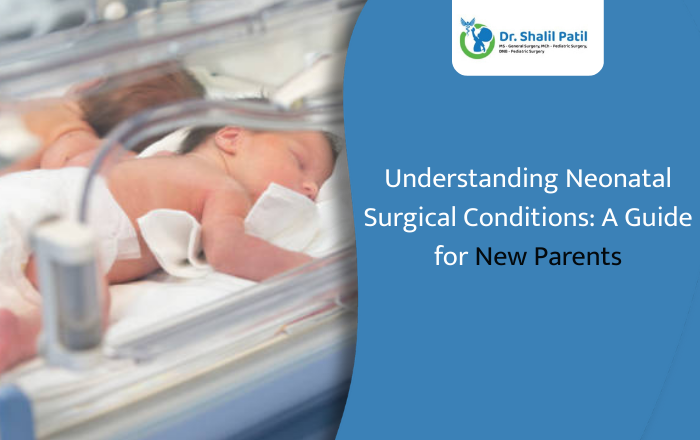
Welcoming a newborn into the world is a joyous and emotional experience, but for some parents, this joy can be tempered by unexpected medical concerns. Neonatal surgical conditions—health issues in newborns that may require surgery—can feel overwhelming and frightening for parents. Understanding these conditions, their signs, and treatment options can empower parents to make informed decisions and provide the best care for their baby.
What Are Neonatal Surgical Conditions?
Neonatal surgical conditions are structural or functional abnormalities present at birth that may require surgical intervention. These conditions can range from minor issues that are easily corrected to serious complications that need urgent attention. Some of the most common neonatal surgical conditions include congenital heart defects, gastrointestinal malformations, diaphragmatic hernia, and birth defects affecting the urinary or musculoskeletal systems.
Early detection and intervention are critical. Advances in neonatal surgery have dramatically improved outcomes, with many infants recovering fully and leading healthy lives after surgery.
Common Types of Neonatal Surgical Conditions
1. Congenital Heart Defects (CHDs)
Congenital heart defects are among the most common birth defects in newborns. They occur when the heart or blood vessels do not form correctly during fetal development. Symptoms may include rapid breathing, poor feeding, bluish skin (cyanosis), or fatigue. Depending on the severity, surgery may be required within the first days or months of life to correct the defect.
2. Gastrointestinal Malformations
Gastrointestinal malformations include conditions such as esophageal atresia, intestinal atresia, and congenital diaphragmatic hernia. These conditions affect the normal function of the digestive tract. Babies may experience vomiting, feeding difficulties, abdominal swelling, or an inability to pass stool. Surgery is often necessary to restore proper function and ensure the baby can feed and grow normally.
3. Urinary and Genital Anomalies
Some newborns are born with anomalies in the kidneys, bladder, or reproductive organs. Conditions like hydronephrosis (swelling of the kidney due to urine buildup) or hypospadias (abnormal urethral opening in boys) may require surgery. Early detection through ultrasound or physical examination helps prevent long-term kidney or urinary problems.
4. Musculoskeletal Disorders
Musculoskeletal anomalies can affect bones, joints, or muscles. Clubfoot, hip dysplasia, and congenital limb deformities are examples. While some conditions may be corrected with casting, bracing, or physical therapy, others may require surgical intervention to ensure proper alignment and function.
5. Neural Tube Defects
Neural tube defects, such as spina bifida, occur when the spinal cord or vertebrae do not form properly. Surgery may be required shortly after birth to protect the spinal cord and prevent infections. Long-term care may involve physical therapy and ongoing medical support.
Signs That Your Baby May Need Surgical Attention
As a new parent, it’s important to recognize warning signs that your baby may require surgical evaluation. These include:
-
Persistent vomiting or feeding difficulties
-
Abnormal breathing patterns or bluish skin
-
Swelling or distension of the abdomen
-
Reduced movement or unusual posture
-
Unusual lumps, bumps, or deformities
If any of these symptoms are observed, it is crucial to consult a pediatrician or a neonatal surgeon promptly.
The Role of a Neonatal Surgeon
A neonatal surgeon specializes in surgical procedures for newborns. They work closely with pediatricians, neonatologists, and other specialists to provide comprehensive care. The surgeon will evaluate your baby’s condition, recommend diagnostic tests, and develop a treatment plan that minimizes risk and maximizes outcomes.
Preparing for Surgery: What Parents Should Know
Having a baby undergo surgery can be stressful. Here are some steps to help parents prepare:
-
Ask Questions: Understand the procedure, expected outcomes, risks, and recovery process.
-
Follow Pre-Surgery Instructions: This may include fasting periods or medication adjustments.
-
Emotional Preparation: Seek support from family, friends, or counseling services to manage stress.
-
Post-Operative Care: Learn how to care for your baby after surgery, including feeding, medication, and wound care.
Being proactive and informed can help parents feel more confident and reduce anxiety during this critical time.
Advances in Neonatal Surgery
Thanks to modern medicine, many neonatal surgical conditions can be treated successfully. Minimally invasive techniques, such as laparoscopic or thoracoscopic surgery, reduce recovery time and lower the risk of complications. Multidisciplinary care ensures that each aspect of the baby’s health—nutrition, growth, and overall development—is closely monitored.
Early diagnosis through prenatal ultrasounds and screenings also allows surgeons to plan interventions even before birth, improving outcomes for high-risk newborns.
Supporting Your Baby’s Recovery
Recovery after neonatal surgery requires patience, vigilance, and consistent care. Parents should:
-
Follow all post-operative instructions
-
Monitor for signs of infection or complications
-
Ensure proper nutrition and hydration
-
Attend follow-up appointments regularly
-
Provide love, comfort, and reassurance to aid healing
The first weeks after surgery can be challenging, but with proper guidance, most babies recover well and thrive.
FAQs
1. How are neonatal surgical conditions diagnosed?
Through prenatal scans, newborn exams, and imaging tests like X-rays or ultrasounds.
2. Is surgery safe for newborns?
Yes, with specialized surgeons and modern techniques, most surgeries are safe.
3. How long is recovery after surgery?
Recovery varies from a few days to weeks, depending on the procedure.
4. Can babies live normally after surgery?
Yes, with proper care and follow-ups, most babies grow up healthy.
Conclusion
Facing a neonatal surgical condition can be overwhelming, but timely intervention and expert care make all the difference. With the right support, most newborns recover well and go on to lead healthy lives. If your baby requires specialized care, trust Dr. Shalil Patil – neonatal surgery in Vasai & Virar for expert guidance and compassionate treatment. Schedule a consultation today to ensure the best start for your little one.