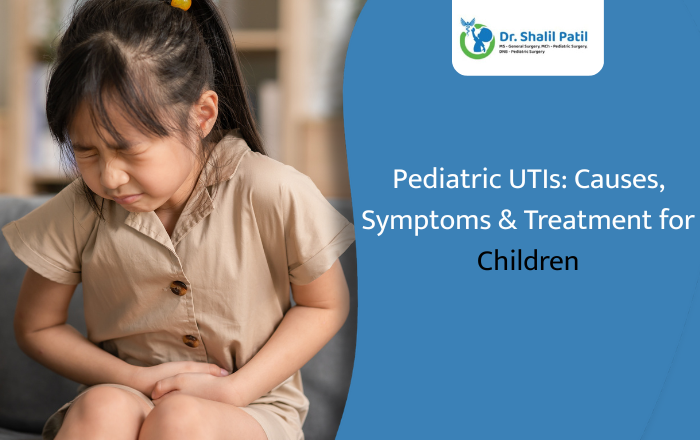
Urinary Tract Infections (UTIs) are common in children, especially in infants and young kids who may not be able to explain their discomfort. A pediatric UTI happens when bacteria enter the urinary tract and cause infection in the bladder, urethra, or kidneys. Early diagnosis is important because untreated infections can sometimes lead to kidney problems. Understanding the causes, symptoms, and treatment options helps parents act quickly and keep their child healthy.
What Is a Pediatric UTI?
A pediatric UTI is an infection in any part of a child’s urinary system. This includes:
-
Kidneys
-
Ureters
-
Bladder
-
Urethra
Most UTIs in children occur in the bladder, but kidney infections can also happen and usually cause more severe symptoms.
Common Causes of UTIs in Children
Children can develop UTIs for several reasons. Some of the most common triggers include:
1. Poor Toilet Hygiene
Incorrect wiping after using the toilet can transfer bacteria from the skin to the urinary tract. The “back-to-front” wiping mistake is a major cause in girls.
2. Holding Pee for Too Long
Kids who ignore the urge to pee—often because they’re busy playing—may develop UTIs. Holding urine allows bacteria to multiply.
3. Constipation
When a child is constipated, the full bowel presses on the bladder and prevents it from emptying completely. Leftover urine increases infection risk.
4. Not Drinking Enough Water
Less fluid intake leads to less urination, allowing germs to stay in the urinary tract longer.
5. Vesicoureteral Reflux (VUR)
Some children are born with a condition where urine flows backward from the bladder toward the kidneys. This makes recurring UTIs more likely.
6. Tight or Irritating Clothing
Non-breathable underwear or tight bottoms can trap moisture, giving bacteria a place to grow.
7. Bubble Baths and Irritants
Some soaps, bubble baths, and scented products irritate the urethra and raise the chances of infection.
Symptoms of Pediatric UTIs
Children of different ages show different signs. Babies may have very subtle symptoms, while older kids can describe their discomfort.
Symptoms in Babies and Toddlers
-
Fever without any obvious cause
-
Irritability or excessive crying
-
Poor feeding
-
Vomiting
-
Foul-smelling urine
-
Cloudy urine
-
Not gaining weight well
Because babies cannot communicate, fever plus fussiness may be the only noticeable clues.
Symptoms in Older Children
-
Burning sensation while peeing
-
Frequent urge to urinate
-
Passing very small amounts of urine
-
Lower belly pain
-
Fever and chills
-
Back or side pain (possible kidney infection)
-
Bedwetting in a toilet-trained child
-
Strong urine odor
If you notice any of these symptoms, it’s important to get medical advice promptly.
How Are Pediatric UTIs Diagnosed?
A doctor usually performs a urine test to confirm the infection:
Urine Routine Test
Checks for the presence of bacteria, white blood cells, or pus.
Urine Culture
Identifies the specific bacteria causing the infection and helps decide the best treatment.
Imaging Tests
Used for repeated UTIs or if the doctor suspects structural issues:
-
Ultrasound
-
Voiding cystourethrogram (VCUG)
-
DMSA scan
These tests help detect problems like VUR or kidney changes.
Treatment Options for Pediatric UTIs
1. Antibiotics
Most children recover well with the right antibiotic prescription. It’s important to:
-
Complete the full course
-
Give doses on time
-
Avoid stopping medication early even if symptoms improve
2. Pain Management
Doctors may suggest mild pain relievers to ease discomfort during urination.
3. Hydration
Drinking plenty of water helps flush bacteria out of the urinary system.
4. Follow-Up Testing
Sometimes, a repeat urine test is recommended to ensure the infection has cleared.
For severe kidney infections or infections in very young babies, hospitalization may be needed for IV antibiotics, but this is not common.
Preventing UTIs in Children
Simple daily habits can reduce the chances of UTIs:
✔ Teach Proper Toilet Hygiene
-
Wipe front to back
-
Wash hands after using the toilet
✔ Encourage Regular Bathroom Breaks
Kids should pee every 2–3 hours during the day.
✔ Ensure Good Hydration
Water is the best drink for flushing the urinary system.
✔ Manage Constipation
A fiber-rich diet, adequate water, and regular toilet habits can help.
✔ Choose the Right Clothing
Opt for breathable cotton underwear and avoid very tight clothing.
✔ Avoid Irritating Soaps
Use gentle, unscented products for bathing.
When Should Parents See a Doctor?
Seek medical care if:
-
Your child has a fever with no clear source
-
There is pain or burning while peeing
-
Symptoms return soon after treatment
-
The child has blood in urine
-
A baby under 3 months has a fever
Early diagnosis and treatment help prevent kidney damage and repeated infections.
FAQs on Pediatric UTIs
1. What is a pediatric UTI?
A pediatric UTI is an infection in a child’s urinary system, including the bladder, urethra, or kidneys. It occurs when bacteria enter the urinary tract and multiply.
2. What causes UTIs in children?
Common causes include poor toilet hygiene, constipation, holding urine for too long, dehydration, bubble baths, and conditions like vesicoureteral reflux (VUR).
3. How do I know if my child has a UTI?
Look for signs like fever, burning while peeing, frequent urination, strong-smelling urine, abdominal pain, or irritability. Babies may only show fussiness and fever.
4. How are UTIs diagnosed in kids?
A urine test and urine culture are usually done to confirm the infection and identify the bacteria causing it.
Conclusion
A pediatric UTI can be uncomfortable for children, but with timely treatment and simple prevention habits, most cases are easy to manage. Parents who understand the causes, warning signs, and treatment options can ensure quick recovery and reduce the risk of future infections. If your child shows symptoms of a UTI, getting medical help early can make a big difference in their comfort and long-term health.
For proper evaluation and guidance, you can consult Dr. Shalil Patil, Pediatric Surgeon in Virar, who can help diagnose and manage urinary problems in children with care and clarity.